
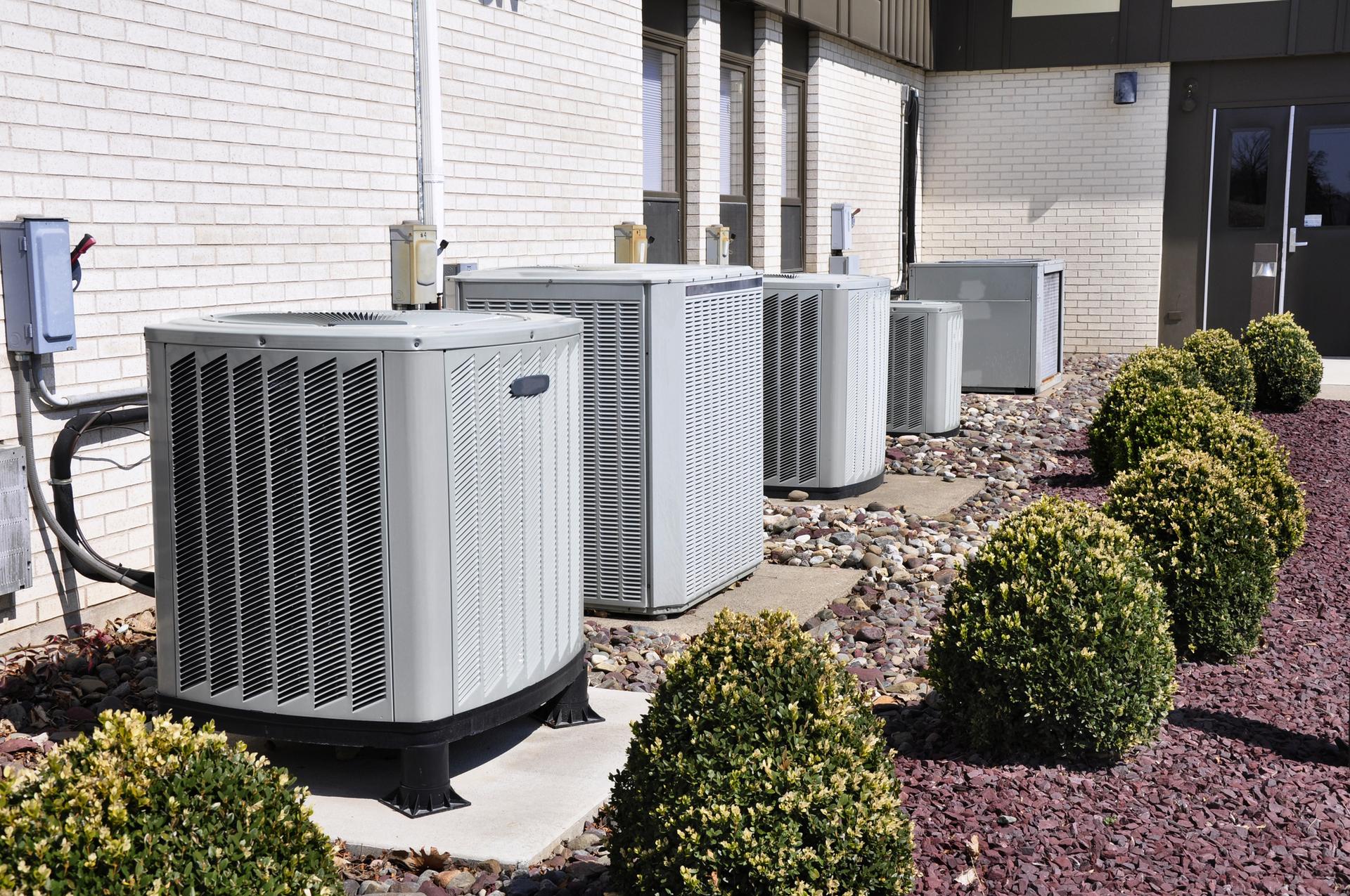
Running a commercial or industrial facility means keeping a close eye on every dollar spent, and a large portion of energy costs goes directly toward heating, ventilation, and air conditioning. The right HVAC upgrades can make a real difference in how much you spend each month. Whether your system is aging or simply not performing the way it should, investing in smarter, more efficient equipment is one of the most practical steps a facility can take. This article walks through some of the most impactful upgrades available today and how each one supports a more cost-efficient operation.
Strategic System Upgrades
When it comes to cutting operating costs, upgrading key components of your HVAC system is often where the biggest gains happen. Modern equipment is designed to do more with less, and the improvements in today’s technology compared to systems from even a decade ago are substantial. The following upgrades are among the most effective options available for commercial and industrial facilities.
High-Efficiency Condensing Boilers
Traditional boilers release a significant amount of heat through their exhaust, which means energy is leaving the building before it can do any useful work. High-efficiency condensing boilers reclaim that latent heat before it escapes, allowing them to operate at a much higher efficiency level than older models. This translates to noticeably lower fuel costs over time, and these systems also tend to have longer service lives when properly maintained. If your facility relies on aging boiler equipment, this upgrade is one of the most straightforward ways to improve cost efficiency.
Variable Refrigerant Flow Systems
Variable refrigerant flow, or VRF, systems have become increasingly popular in commercial settings because of how precisely they manage cooling and heating across different areas of a building. Instead of conditioning an entire space at once, VRF systems deliver exactly the right amount of refrigerant to each zone based on actual demand. This eliminates a lot of the energy waste that traditional systems produce and also results in quieter operation, which is a great fit for offices, hospitality spaces, and similar environments. When paired with professional commercial HVAC services, a VRF installation can be tailored specifically to your facility’s layout and usage patterns.
Heat Pumps and Electrification Retrofits
Heat pumps offer a compelling option for facilities looking to modernize their systems and reduce their reliance on fossil fuels. Instead of generating heat by burning fuel, a heat pump moves heat from one place to another, which requires far less energy to accomplish the same result. These systems also support broader sustainability and decarbonization goals, which are increasingly important for businesses with environmental commitments. The right setup will depend on your local climate and building needs, so working with an experienced team is key to getting the most out of this upgrade.
Energy Recovery Ventilation Systems
Fresh air is essential in any commercial or industrial building, but bringing in outside air means conditioning it, and that takes energy. Energy recovery ventilation, or ERV, systems solve this by reclaiming thermal energy from exhaust air and using it to pre-condition incoming fresh air, which significantly reduces the load on your main HVAC equipment. ERV systems also help manage humidity levels, supporting better indoor air quality over time. For facilities that require high volumes of fresh air, this upgrade delivers consistent energy savings without compromising air quality.
Controls and Optimization
Equipment upgrades are only part of the picture. The way your HVAC system is managed day to day has a major impact on how efficiently it runs, and advanced controls give your system the intelligence to perform better without demanding more energy.
Smart Building Controls
Modern building automation systems take the guesswork out of HVAC management by using real-time data to adjust ventilation rates, temperature setpoints, and equipment schedules. Demand-based ventilation responds to actual occupancy levels rather than running at a fixed rate all day, which cuts unnecessary energy use. Optimal scheduling ensures that conditioning happens when it is most efficient and most needed, rather than simply running on a fixed timer.
Chiller Plant Optimization
For larger facilities with central cooling plants, the way chillers are managed can have a significant effect on overall energy use. Optimizing how units are sequenced and how cooling loads are shared between them ensures the plant operates at its most efficient point at any given time. This approach reduces wear on individual units and keeps energy consumption in check across the entire system.
Airside Improvements
On the airside of the system, there are several opportunities to reduce energy use without major equipment replacements. Calibrating variable air volume, or VAV, systems ensures that air is being delivered where it is needed and in the right quantities. Adding variable frequency drives, or VFDs, to fan motors allows fan speeds to adjust based on actual demand rather than running at a constant rate. Together, these improvements can meaningfully reduce the energy consumed by air distribution throughout the building, and they are often among the most cost-effective changes a facility can make.
Conclusion
Lowering HVAC operating costs is not about cutting corners. It is about investing in smarter systems that do more with the energy they use. From high-efficiency boilers and VRF technology to heat pumps, energy recovery ventilation, and advanced controls, today’s options give facility managers real tools for meaningful, lasting savings. The right combination of upgrades depends on your building, your goals, and your budget, and getting there is much easier with the right team by your side. Connect with our team today to find out how we can help your facility operate more efficiently and cost-effectively.
Frequently Asked Questions
How do I know if my HVAC system is ready for an upgrade?
Age, rising energy bills, and frequent repair needs are common signs that an upgrade may be worth exploring. A professional system evaluation can give you a clearer picture of where your current setup stands and what options make the most sense for your facility.
Will upgrading my HVAC system disrupt my daily operations?
Most upgrades can be planned and scheduled to minimize disruption. Working with a team that offers around-the-clock availability means that installations and major work can often be completed during off-hours or slower periods.
Are HVAC upgrades only worthwhile for large facilities?
Not at all. Smaller commercial spaces also benefit from modern, efficient equipment. The key is choosing upgrades that match the scale and usage patterns of your specific building.
Can multiple upgrades be combined for greater savings?
Absolutely. Combining equipment upgrades with smart controls and optimization strategies often produces better results than any single change on its own. A comprehensive approach ensures that each component works well with the others.
Who should handle the evaluation and installation process?
A full-service company with qualified in-house technicians and engineers is best positioned to assess your needs, recommend the right upgrades, and handle installation correctly from the start.