
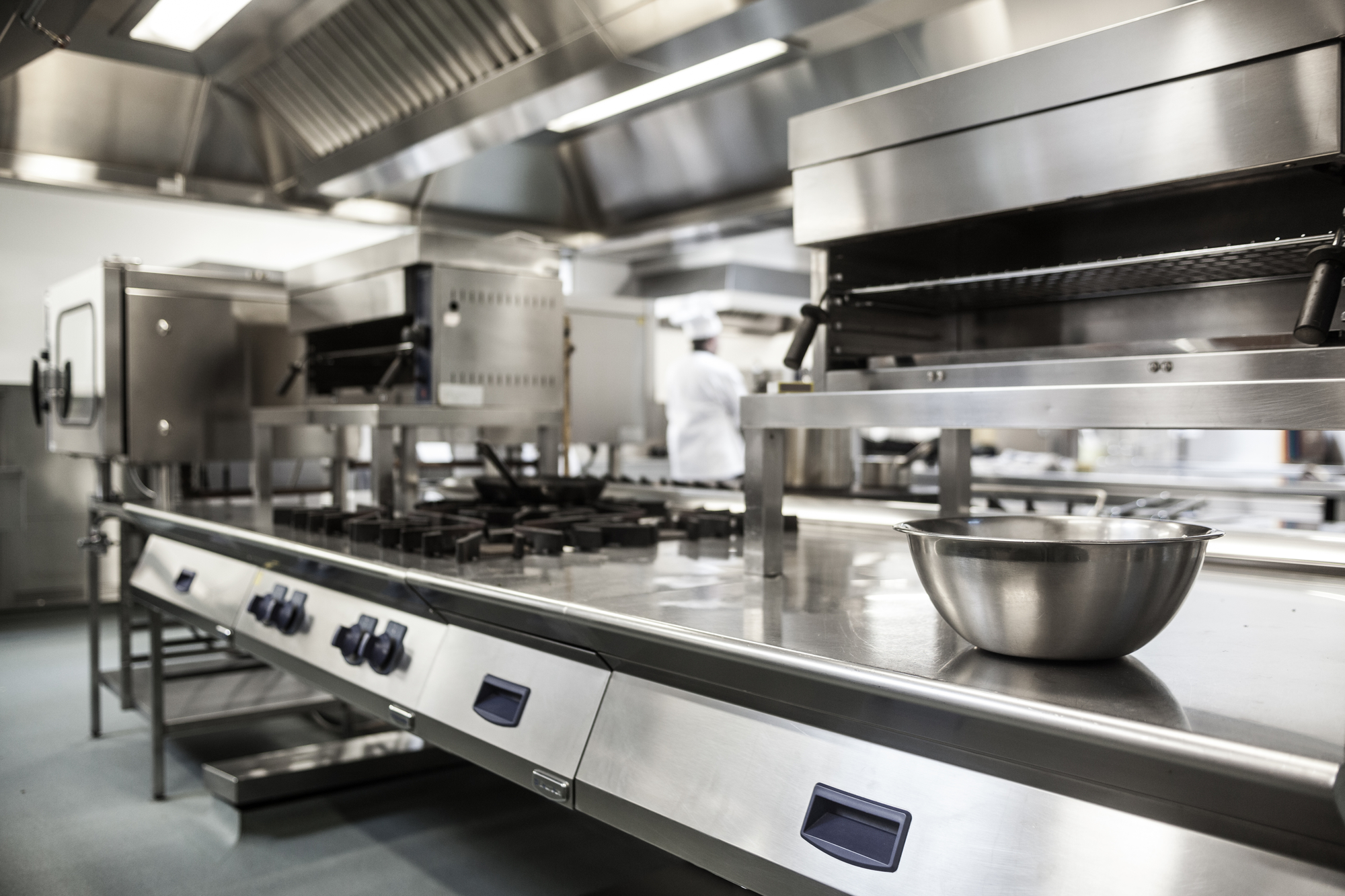
Energy bills keep climbing, and for restaurant owners, that trend puts real pressure on already tight margins. Commercial kitchens are some of the hardest-working spaces in any building, since ovens and vent systems tend to run for most of the day without much of a break. A restaurant does not need a full renovation to see a difference, though. Here are seven upgrades worth thinking about.
High-Efficiency Cooking Equipment
Cooking equipment that has been in place for a while, like an older fryer or oven, tends to use more energy than it really needs just to keep pace with a busy kitchen. Newer, high-efficiency versions of this same equipment are built to cook the same volume of food while pulling less power along the way. Over time, that difference adds up to a noticeable drop on the monthly utility bill, especially in kitchens that run equipment for most of the day.
There is also a side benefit that often gets overlooked. Equipment that runs more efficiently tends to generate less excess heat, which can ease the load on other systems nearby. That, in turn, can reduce wear on parts that would otherwise need frequent servicing, so repair visits tend to happen less often. A kitchen that stays a bit cooler overall can also be more comfortable for staff.
Smart Refrigeration Systems
Refrigeration quietly makes up a large share of a restaurant’s total electricity use, even though it rarely gets the attention that cooking equipment does. Upgrades in this area often include compressors that adjust their output based on actual demand instead of running at full power around the clock. That single change alone can make a meaningful difference over a full year of operation.
Strip curtains on walk-in coolers help keep cold air where it belongs. Digital monitoring tools can flag small issues before they turn into bigger repairs, and restaurants that pair these updates with regular checkups often find that their units stay reliable for much longer. A well-maintained system also tends to keep food storage temperatures more consistent, which matters just as much as the energy savings themselves.
LED Lighting Retrofits
Lighting might not seem like a major energy factor compared to cooking or cooling, but older lighting types draw far more power than most owners realize. Switching over to LED fixtures cuts that draw significantly while also producing far less heat, which matters in a kitchen that already runs warm. Beyond the savings, LED lighting tends to create a cleaner, more inviting atmosphere for guests in the dining room, and bulbs also last much longer so staff spend less time swapping them out during a busy shift. Some owners even notice the change in how the dining room feels within the first week. Kitchens benefit too, since brighter, more even lighting near the line can make it easier for cooks to keep an eye on food as it cooks.
Demand-Controlled Ventilation
Traditional exhaust hoods often run at one fixed speed no matter what is happening on the line. Demand-controlled ventilation changes that by adjusting airflow based on actual cooking activity, so the system pulls harder when the kitchen is busy and eases off when things slow down.
This approach reduces the workload placed on commercial HVAC services, since the building is not constantly fighting to replace air that did not need to be removed in the first place. It also helps keep kitchen temperatures more stable throughout a shift, which many staff members notice right away, even on the busiest nights. Over the course of a year, that steadier airflow can add up to a fairly consistent reduction in energy use.
Building Automation and Controls
Instead of managing several systems on their own, building automation ties heating, cooling, refrigeration, and lighting together under one control platform. This setup allows a restaurant to schedule equipment to run only when it is actually needed, rather than leaving systems on by default during slow hours or after closing. Automation also makes it easier to spot patterns in energy use over time, which can help owners plan ahead with more confidence instead of relying on guesswork. Many owners find that once a system is in place, it takes very little day-to-day attention to keep running smoothly.
Water-Saving Plumbing Fixtures
Water use is another area where small changes can bring quick results. Low-flow faucets use noticeably less water without slowing down kitchen staff, and smart pump systems can reduce the energy needed to heat that water in the first place. These upgrades usually cost less to install than larger equipment changes, which makes them an approachable starting point for restaurants that want to see savings without a major investment upfront.
Since much of the plumbing in a kitchen is already in place, fixture swaps like these can often be handled with minimal disruption to daily operations.
Electrification of Kitchen Equipment
Many restaurants are moving away from gas-powered cooking equipment toward electric alternatives like induction cooktops. Induction cooking heats pans directly through a magnetic field rather than heating the surrounding air, which makes it more efficient and easier to control.
This shift can also improve indoor air quality since it removes some of the byproducts associated with gas equipment. For restaurants planning ahead, electrification often pairs well with other upgrades already underway in the kitchen, and it can make the overall cooking line feel more consistent to work with over time. It can also simplify future maintenance, since there is less equipment relying on a separate fuel source to manage.
These upgrades each bring their own advantages, and together they help build a kitchen that runs more smoothly and supports a more sustainable future for the business. Reach out to our team today to talk through which upgrades make the most sense for your restaurant.
Frequently Asked Questions
Do these upgrades require a restaurant to shut down during installation?
Most upgrades can be scheduled around normal business hours, often during off-peak times, so day-to-day service is rarely disrupted for long.
Is it better to make all seven upgrades at once or spread them out?
Many restaurant owners choose to phase upgrades in over time, starting with the changes that fit their budget and current equipment needs. Spreading the work out this way can also make it easier to plan around busy seasons.
How soon do restaurants typically notice a difference after upgrading?
The timeline varies by upgrade and by how the space is used, but many owners start noticing changes in their utility bills within the first few billing cycles after the work is complete.
Which upgrade should a restaurant consider first?
There is no single right answer, since it depends on which systems are oldest or least efficient. A simple walkthrough of the kitchen with a professional is usually a helpful starting point.