
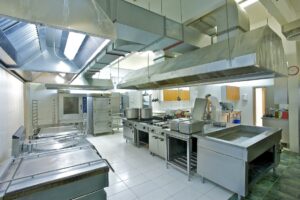
Hotels and resorts depend on refrigeration every day. From guest-room minibars to commercial kitchens, reliable cooling helps protect food quality and support smooth service. A refrigeration system that is properly selected and maintained can also help control operating costs.
This article will discuss the essential refrigeration equipment for hospitality operations, making it easier to plan a dependable setup.
Choose Refrigeration Equipment for Each Operational Need
Hotel and resort operations often require several types of refrigeration. A walk-in refrigerator may be needed for bulk food storage, while reach-in units can keep ingredients close to kitchen workstations.
Under-counter refrigerators can also provide convenient storage without taking up valuable preparation space. Guest-facing areas may have different requirements. Minibars and beverage coolers need consistent temperatures while fitting neatly into rooms or service areas. Bars, restaurants, banquet facilities, and poolside concessions may also need dedicated refrigeration for drinks and perishable ingredients.
Choosing equipment based on its intended use can improve efficiency. It also helps prevent staff from overloading a unit that was not designed for the required volume.
Maintain Consistent Temperatures for Food Safety
Temperature control is one of the most important parts of commercial refrigeration, and perishable foods must remain within appropriate temperature ranges throughout storage.
A refrigerator that struggles to maintain a stable temperature can increase the risk of spoilage and food safety problems. For hotel kitchens that face especially demanding conditions, doors may open frequently during busy meal periods, and warm food or ingredients may be placed inside storage units. Refrigeration equipment must be capable of handling these routine demands without excessive temperature fluctuations.
Regular temperature checks can help identify problems early. Staff should also keep refrigerator doors closed when possible and avoid packing shelves so tightly that cold air cannot circulate properly.
Improve Kitchen Efficiency With Proper Refrigeration Placement
Refrigeration affects more than food storage. Its location can influence how quickly and efficiently kitchen staff complete their work. Position the equipment where employees can access frequently used ingredients without unnecessary movement. Prep refrigerators are useful near food preparation areas.
Meanwhile, place larger storage units where staff can move bulk ingredients efficiently. Beverage refrigeration should also be close to bars, restaurants, or other service points where drinks are prepared and served. Good placement reduces wasted steps and improves workflow.
In the end, this efficient placement may also help prevent employees from leaving refrigerator doors open while moving between distant work areas.
Select Capacity That Matches Hotel and Resort Demand
Refrigeration capacity should reflect the property’s actual workload. A small boutique hotel may have very different storage needs from a large resort with several restaurants, banquet services, and room service operations.
Planning only for average demand can create problems during peak periods. Holiday events, weddings, conferences, and high-occupancy seasons can significantly increase food and beverage requirements. Equipment should provide enough capacity to handle these periods without becoming consistently overloaded.
At the same time, choosing oversized equipment without a clear operational need can increase energy and maintenance costs. Carefully assessing inventory levels, delivery schedules, menu volume, and available space helps determine the appropriate refrigeration capacity.
Consider Energy Efficiency and Operating Costs
Refrigeration equipment works for long periods, so energy consumption can have a noticeable effect on hotel operating expenses. Efficient equipment can help reduce ongoing electricity use while still providing the cooling performance the operation requires. Features such as efficient compressors, quality insulation, properly sealed doors, and effective temperature controls can contribute to better performance.
Even smaller details matter. Damaged door gaskets or dirty condenser components can force a refrigeration system to work harder. Therefore, you need to consider energy efficiency when selecting new equipment and maintaining existing units. Looking beyond the initial purchase price can provide a better picture of long-term operating costs.
Protect Equipment Through Preventive Maintenance
Even high-quality refrigeration equipment needs regular care. Preventive maintenance can help identify developing problems before they cause major equipment failures or disrupt hotel operations. Technicians can inspect important components such as compressors, condensers, evaporators, fans, electrical connections, controls, and door seals.
Cleaning and inspection schedules should also account for the operating environment and frequency of use. Maintenance is particularly important for busy properties because refrigeration failure can quickly become an operational issue.
Plan Refrigeration for Peak Hospitality Service
Hotel and resort refrigeration systems must support more than routine food storage. They need to perform during busy service periods when kitchens, restaurants, bars, and banquet operations are under pressure.
A dependable system can help staff keep ingredients organized and ready for service. It can also support consistent beverage availability and reduce disruptions caused by temperature problems or equipment downtime. For properties with demanding cooling requirements, specialized equipment may be appropriate. For example, a commercial chiller can provide an effective solution for operations that require substantial and consistent cooling capacity.
Upgrade Refrigeration as Operational Needs Change
A hotel’s refrigeration needs can change over time. Renovations, new restaurants, expanded banquet services, higher occupancy, or changes in menus may increase cooling requirements. Older equipment may also become less efficient or more difficult to maintain. Frequent repairs, inconsistent temperatures, excessive energy consumption, or limited storage capacity can indicate that an upgrade deserves consideration.
Replacing equipment does not always mean changing an entire refrigeration system. Targeted upgrades may address specific operational problems while allowing functional equipment to remain in service. A professional assessment can help determine which approach makes the most practical sense.
Final Thoughts
Reliable refrigeration helps hotels and resorts protect food, maintain efficient workflows, and deliver consistent service. Choosing equipment carefully and supporting it with regular maintenance can make a significant difference over the long term.
For dependable refrigeration solutions suited to your operation, contact us today to discuss your equipment needs.
Frequently Asked Questions
What refrigeration equipment does a hotel kitchen typically need?
Hotel kitchens commonly use a combination of walk-in refrigerators, reach-in refrigerators, under-counter units, prep refrigerators, and beverage coolers. The exact setup depends on kitchen size, menu requirements, storage volume, and service levels. Larger resorts may need additional refrigeration for banquet operations, multiple restaurants, bars, and room service.
How can hotels improve refrigeration efficiency?
Regular maintenance is one of the simplest ways to support efficient refrigeration. Keeping condenser components clean, checking door seals, and maintaining appropriate temperatures can help equipment operate properly.
How often should commercial refrigeration be maintained?
The ideal maintenance schedule depends on the equipment, operating conditions, and frequency of use.
When should a hotel replace refrigeration equipment?
Frequent breakdowns, poor temperature control, rising energy costs, corrosion, and difficulty finding replacement parts can all indicate that equipment may be reaching the end of its useful service life. Replacement should be evaluated based on total operating costs and reliability, not simply equipment age. A professional assessment can help determine whether repair or replacement is the better option.